Understanding the psychology behind gambling behavior in casinos
The Allure of the Casino Environment
The casino environment is meticulously crafted to draw players in and keep them engaged. Bright lights, vibrant colors, and enticing sounds create a sensory overload that stimulates excitement and anticipation. In fact, our guide showcases the best payid casinos, demonstrating how this carefully designed ambiance plays a significant role in influencing gamblers’ psychology, making them more likely to spend extended periods within the gaming area. The architecture itself, often resembling a maze, is intended to disorient players, encouraging them to lose track of time and money.

Moreover, casinos utilize the concept of “near misses,” where players almost win but fall short. This psychological phenomenon can create a sense of hope and motivation, leading individuals to continue playing in pursuit of that elusive victory. The brain’s reward system is activated, releasing dopamine, which reinforces the behavior and encourages further engagement. Understanding this psychological tactic helps explain why many gamblers feel compelled to return to casinos, despite previous losses.
Another key element of the casino experience is the presence of social interactions. Many gamblers thrive in the shared atmosphere, bonding over wins or commiserating over losses. This sense of community can enhance the enjoyment of gambling, transforming it into a social event rather than a solitary activity. As players cheer each other on or share tips, they may become more immersed in the experience, ultimately increasing the likelihood of continued play.
The Role of Cognitive Biases in Gambling
Cognitive biases significantly impact how gamblers perceive risk and reward in casinos. One of the most common biases is the “gambler’s fallacy,” where individuals believe that past events will influence future outcomes in a random game. For example, a player may think that because a particular slot machine has not paid out recently, it is “due” for a big win. This misunderstanding of probability can lead to excessive betting and prolonged gambling sessions.
Another bias is the “illusion of control,” where gamblers mistakenly believe they can influence the outcome of games that are purely based on chance, such as roulette or slots. This belief can cause players to develop strategies that are ineffective, leading to greater financial losses. By recognizing these biases, individuals can better understand their gambling behavior and make more informed decisions, potentially reducing their risk of addiction.
Furthermore, the concept of “availability heuristic” plays a role in shaping perceptions of gambling success. Gamblers often recall vivid instances of large wins more easily than regular losses. This can skew their understanding of the overall odds and lead them to believe that winning is more common than it actually is. The brain tends to favor memorable outcomes, creating a skewed perspective that encourages continued gambling despite statistical realities.
The Impact of Emotion on Gambling Decisions
Emotions significantly influence gambling behavior, often overriding logical decision-making processes. For many individuals, gambling serves as a form of escapism, allowing them to temporarily forget their worries or stressors. When individuals are in a heightened emotional state—whether due to excitement or frustration—they may make impulsive betting decisions. This tendency can lead to substantial losses, as players chase their emotional highs, attempting to recapture the thrill of winning.
Additionally, the emotional rollercoaster associated with gambling can create a cycle of addiction. Winning may produce feelings of euphoria, while losses can lead to disappointment and a desire to recover funds quickly. This cycle can trap players in a continuous loop, where their emotions dictate their behavior rather than rational thought. By understanding these emotional influences, gamblers can be more aware of their tendencies and take steps to mitigate risky behaviors.
The interplay between positive and negative emotions also shapes gambling experiences. For example, some players may use gambling as a means to celebrate achievements or milestones, reinforcing positive associations with the activity. Conversely, those experiencing negative emotions may turn to gambling as a coping mechanism, inadvertently leading to detrimental outcomes. Recognizing how emotions impact gambling choices can empower individuals to seek healthier alternatives for emotional release.
Addiction and Responsible Gambling
Gambling addiction is a serious issue that affects many individuals and their families. Understanding the psychological mechanisms behind gambling behavior is crucial in addressing and preventing addiction. Factors such as genetic predisposition, environmental influences, and personal experiences can contribute to a person’s risk of developing compulsive gambling habits. Recognizing these factors is the first step toward intervention and support for those in need.
Many casinos are taking proactive measures to promote responsible gambling. This includes providing resources for self-exclusion, offering gambling addiction support programs, and implementing training for staff to recognize signs of problematic behavior. By fostering a culture of responsible gambling, casinos can help mitigate the risks associated with addiction and create a safer environment for all players. Education plays a pivotal role, as informed gamblers are more likely to recognize their limits and engage in healthier gambling practices.
In addition to casino efforts, the role of family and community support cannot be overstated. Encouraging open conversations about gambling and its risks can aid in early detection of problematic behavior. Families should be educated on the signs of gambling addiction and the steps to take if a loved one exhibits these behaviors. By creating a support system, individuals are more likely to seek help and develop healthier gambling habits.
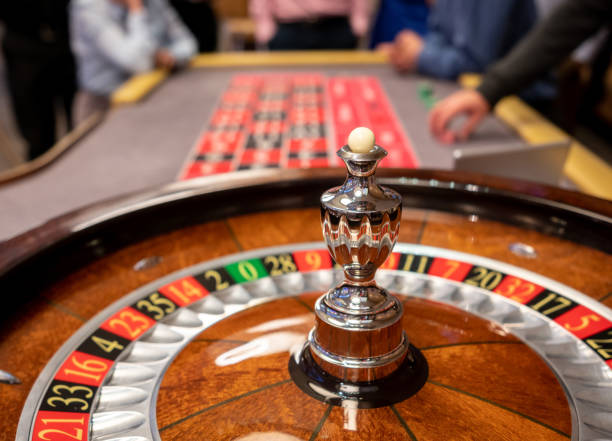
Explore Resources for Informed Gambling
Our website offers a wealth of information for individuals looking to understand and navigate the world of gambling responsibly. With a focus on education and awareness, we provide resources that delve into the psychology of gambling behavior, helping players make informed decisions. From expert articles to insightful guides, we aim to empower users with knowledge about the risks and rewards associated with gambling.
Additionally, we feature reviews of various casinos, focusing on their commitment to responsible gambling practices. Players can find casinos that prioritize their well-being, offering tools for self-assessment and support. By promoting a culture of responsible gaming, we hope to contribute to a safer gambling environment for everyone.
Whether you’re a seasoned player or just starting, understanding the psychology behind gambling can enhance your experience and minimize risks. Join us as we explore the complex dynamics of gambling behavior and empower yourself with the knowledge to gamble responsibly.